





3D forensic scanners for crime scenes, evidence and reconstruction

Capture once. Measure, analyse and revisit the scene for years.

Artec 3D scanners record footwear impressions, wound patterns, bullet trajectories and entire scenes in accurate, contactless 3D — before the scene is cleared and before the evidence degrades. One dataset carries the case from the first hour to the courtroom.

No sensitive case information required.

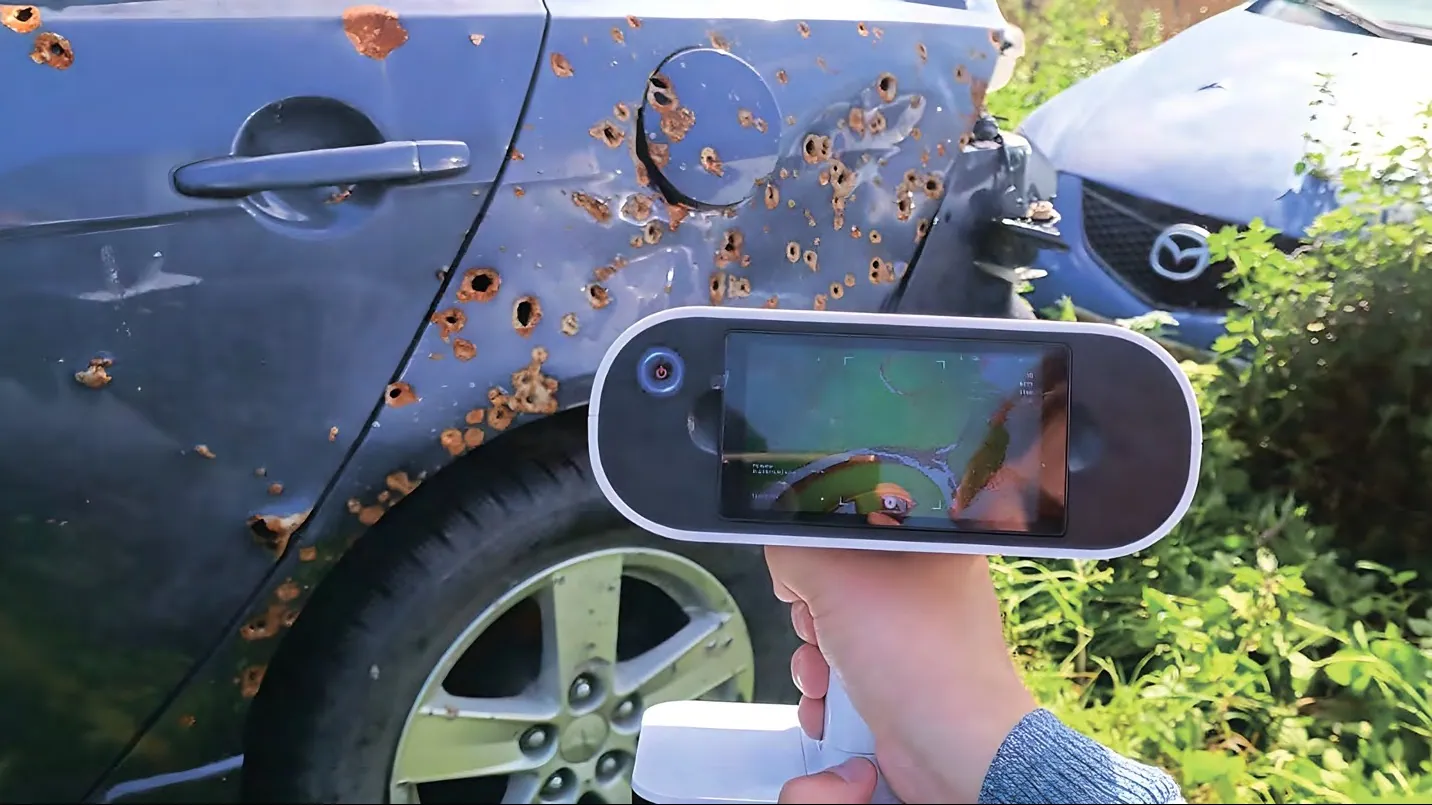
Artec Leo 3D scanner capturing bullet damage on a vehicle at a shooting scene
  • Contactless captureSafe for victims, officers, and fragile evidence.
  • Full-color 3DPhotorealistic detail with true-to-life color.
  • Scene-to-micro evidenceFrom large scenes to the smallest items.
  • Standard export formatsE57, OBJ, PLY and more for seamless workflows.

Used in forensic research, education, and casework

Organizations featured in documented Artec 3D forensic applications and published studies.

What do you need to document?

Pick what you work with and we'll show the scanners that fit it best. The right choice depends on scene size, required detail and field conditions.

Recommended for entire scenes3 matches
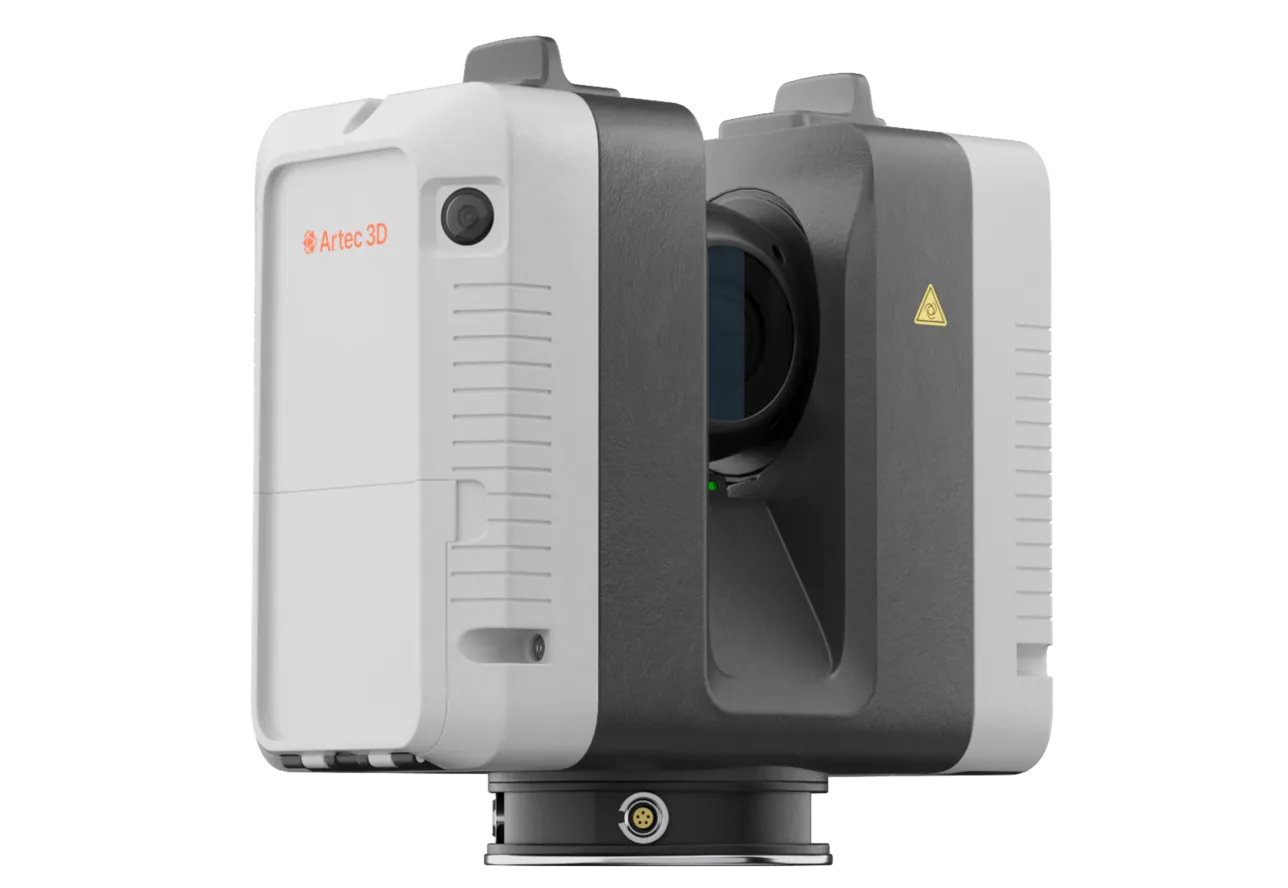
Artec Ray II 3D scannerBest overallArtec Ray IILong-range capture · up to 130 m
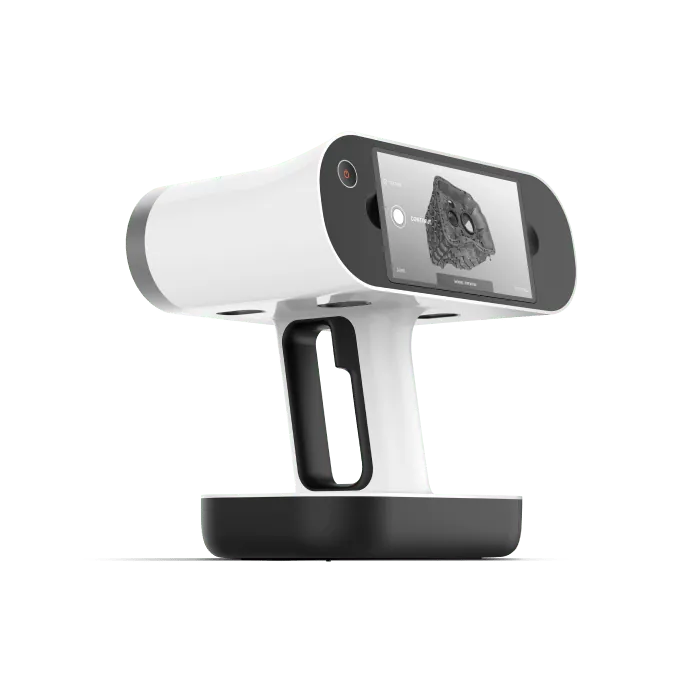
Artec Leo 3D scannerArtec LeoFast handheld capture
Recommended for vehicles3 matches
Artec Leo 3D scannerBest overallArtec LeoCable-free · under an hour per vehicle
Artec Ray II 3D scannerArtec Ray IIWhole-site context around the vehicle
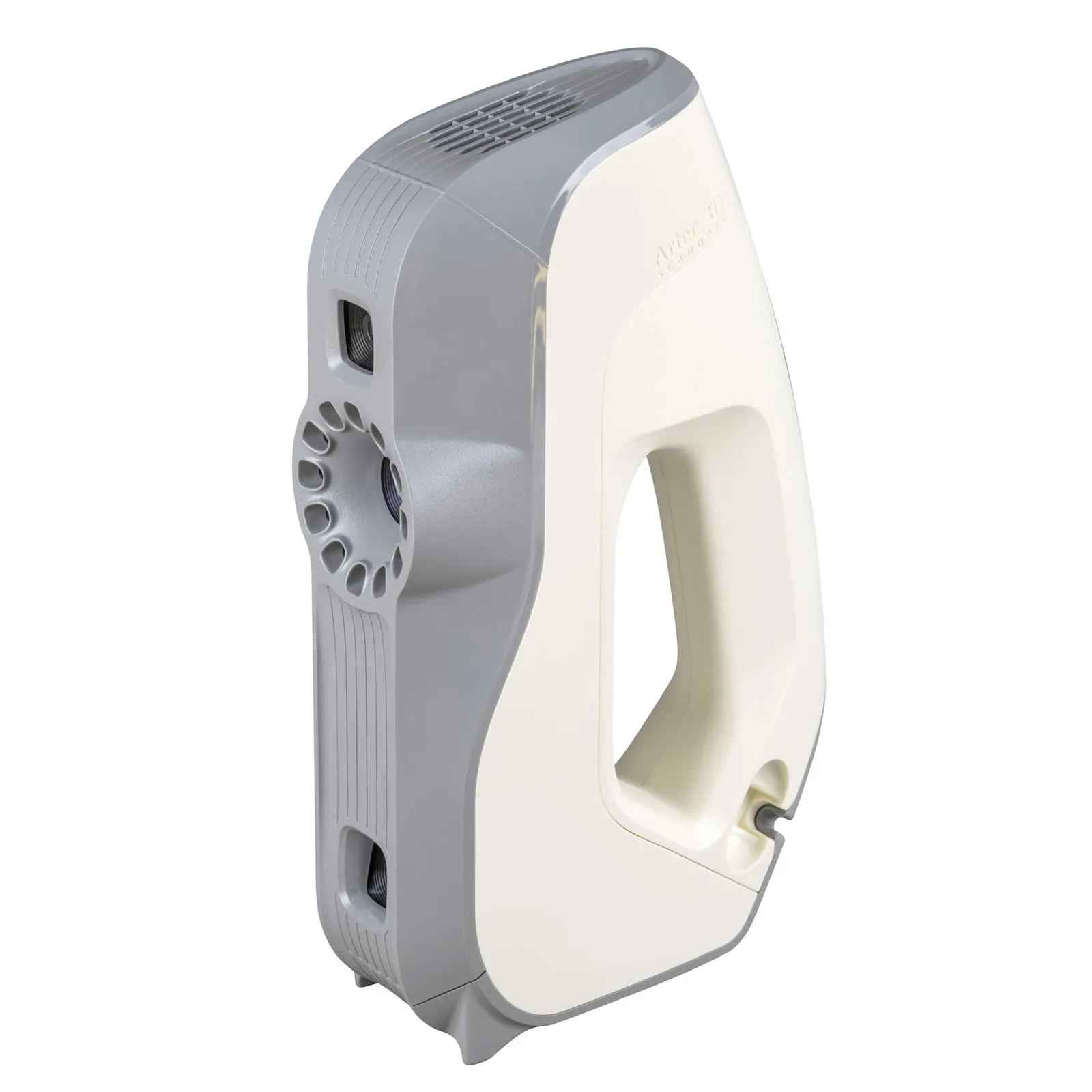
Artec Eva 3D scannerArtec EvaPanel and interior detail
Recommended for bodies and wounds3 matches
Artec Leo 3D scannerBest overallArtec LeoUntethered at the scene
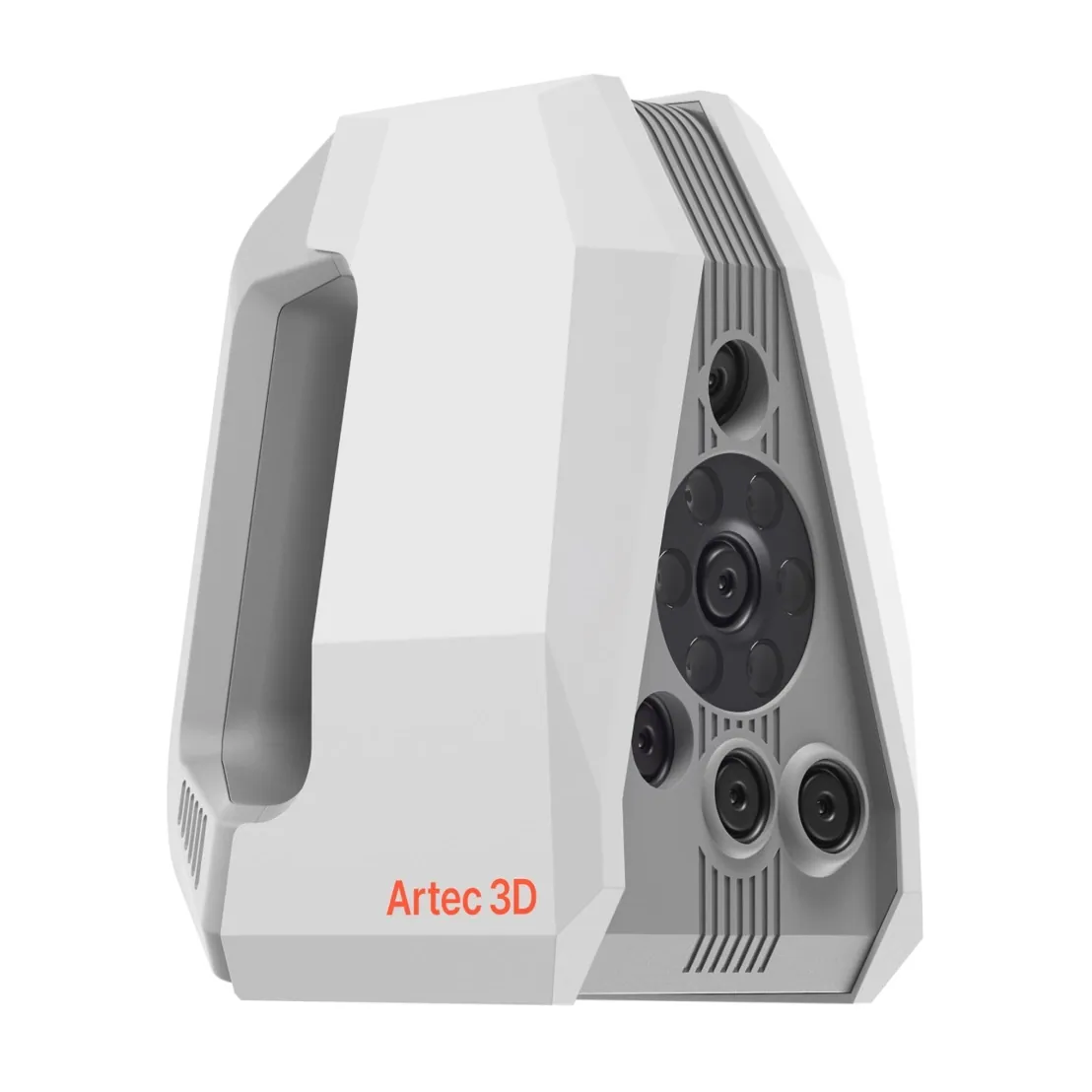
Artec Spider II 3D scannerArtec Spider IIWound and bite-mark detail
Artec Eva 3D scannerArtec EvaFull body in 26 minutes
Recommended for footwear and impressions3 matches
Recommended for small evidence2 matches
Artec Spider II 3D scannerBest overallArtec Spider IIHandheld detail at 0.05 mm
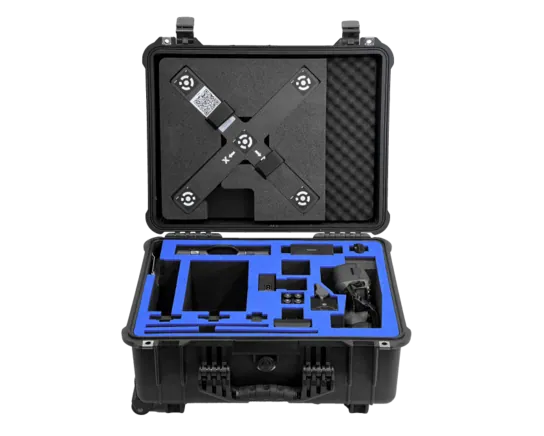
Artec Metrology KitArtec Metrology KitAccuracy to 0.002 mm

Why complete scene capture matters

According to FBI data, 55% of violent crimes and 83% of property crimes went unsolved in the US. Traditional forensic documentation — photographs, hand measurements, dental stone casts — was never designed for the speed and complexity modern crime scene investigation demands.

A photograph taken from the wrong angle misrepresents the spatial relationship between a weapon and a victim. A footwear impression cast takes 24 hours to dry and can still crack. A vehicle accident scene sits on a highway for hours while investigators work through documentation backlogs. All of it creates gaps in evidence that prosecutors have to fight around — or can't overcome at all.

3D scanning for crime scenes solves this at the source. The complete scene — every dimension, every surface, every measurement — captured before anything is moved or touched.

Camera angle distorts spatial relationships

Two points that look close in a photograph can be metres apart. Perspective still shadows and depth. 2D data alone leaves an important spatial question open, and defence counsel knows exactly where to press.

Manual measurements introduce operator error

Tape measures, sketches and reference markers are only as reliable as the hand holding them. Two investigators can record the same distance differently, and neither result can be reproduced once the scene is released.

Traditional documentation takes hours or days

Capturing, photographing, sketching and measuring on site — plus drying and rebuilding casts at the office — can take days. That is time the scene stays exposed and your team stays tied up.

3D results are fast to share and revisit

Collections of photos are difficult to navigate, measure or share. A 3D model can go to a prosecutor, an expert or a laboratory anywhere in the world in minutes, and it is still measurable when it arrives.

Artec 3D for forensic investigations

  • Contactless scene capture: capture detailed 3D data without touching or moving evidence.

  • Measurements after release: measure any point, distance, area or angle long after the scene is cleared.

  • Shareable 3D documentation: secure, accurate and easy to share with teams, experts and in court.

From scene to defensible 3D evidence

  1. 1. CaptureCollect accurate 3D data on scene with minimal disruption.
  2. 2. VerifyCheck coverage and quality before leaving the scene.
  3. 3. ProcessAlign, clean and color the data in Artec Studio.
  4. 4. MeasureTake precise measurements and annotations.
  5. 5. ArchiveStore in a tamper-evident, scalable repository.
  6. 6. PresentShare 3D models, images and reports in court or with partners.
A single, accurate 3D dataset supports the entire investigation lifecycle. Use it for initial documentation, expert analysis, reports, archiving and courtroom presentation. Revisit any detail, re-measure any point and share confidently with your team and partners.

Benefits of 3D forensic scanning

These are documented outcomes, not claims — reported by the National Institute of Justice, Forensic Science International and agencies that have deployed Artec 3D scanners in active investigations.

Preserve the scene

Nothing is cast, coated or moved. The evidence is documented as found and stays that way.

Cut documentation time

Hours become minutes on site, and the team is released while the record is already complete.

Measure later

Take the measurement you did not know you needed, months after the scene was released.

Share anywhere

One model reaches prosecutors, experts and laboratories worldwide without losing accuracy.

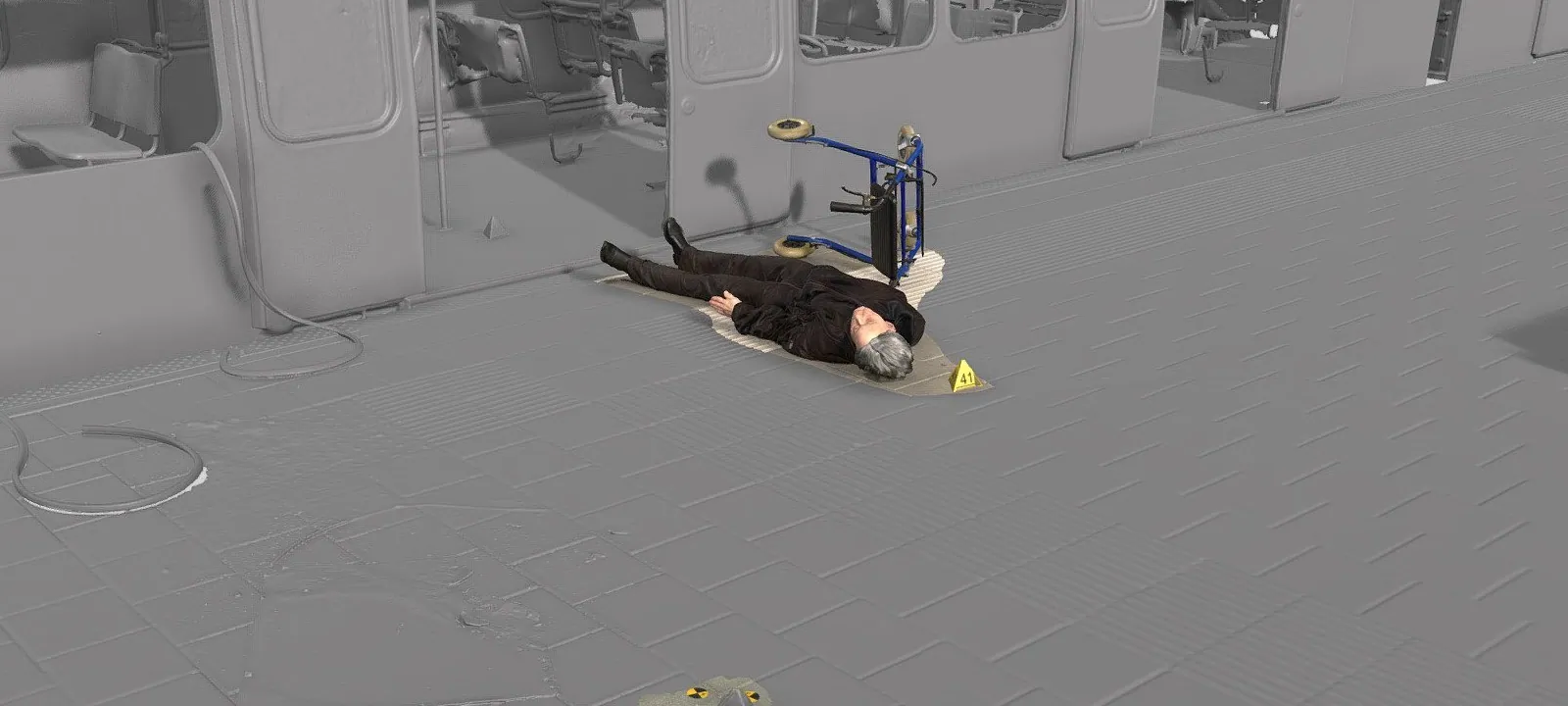
3D reconstruction of a Dutch Police training crime scene captured with Artec 3D scanners
A Dutch Police training crime scene captured in high-resolution 3D

Four things forensic investigators need from a 3D scanner

Not every 3D scanner is built for crime scene investigation. These are the capabilities that decide whether one belongs in a forensic kit.

Dense, accurate point cloud data — fast

Artec Ray II captures up to 2 million points per second, generating point cloud data that documents the full geometry of any crime scene — indoors or outdoors, day or night. A full dome scan covering an entire room takes 1.7 minutes. Artec Leo captures a full human body in 2–3 minutes. That's the difference between finishing before a scene is cleared versus scrambling to catch up.

Nothing touched. Nothing contaminated.

Every Artec forensic scanner captures evidence without physical contact — no markers, no calibration targets required in the scene. Bloodstain patterns, footwear impressions, bullet holes: they're documented exactly as found. Defense attorneys cannot argue evidence was disturbed during scanning. The NIJ specifically identifies this as a key benefit of 3D scanning for crime scene investigation.

Measurement, reconstruction, simulation — from one scan

Artec Studio software turns raw scan data into dimensionally accurate 3D models. Investigators can take precise measurements between any two points in the scene, reconstruct trajectories, overlay data from multiple scans, and export to standard forensic and CAD formats. The same 3D dataset supports the initial investigation, expert witness reports, and courtroom presentation — no rescanning, no reconstruction from memory.

Evidence that holds up when it matters most

Forensic 3D scanning produces objective, reproducible data. No operator interpretation, no angle choices that can be questioned. A University of Toronto study that compared 3D scanning directly against traditional forensic photography found that scanning took less than half the time — and produced submillimeter-accurate color 3D documentation that photographs simply cannot replicate. Judges have accepted 3D scan models as criminal evidence.

Case studies

Documented forensic workflows with measurable results.

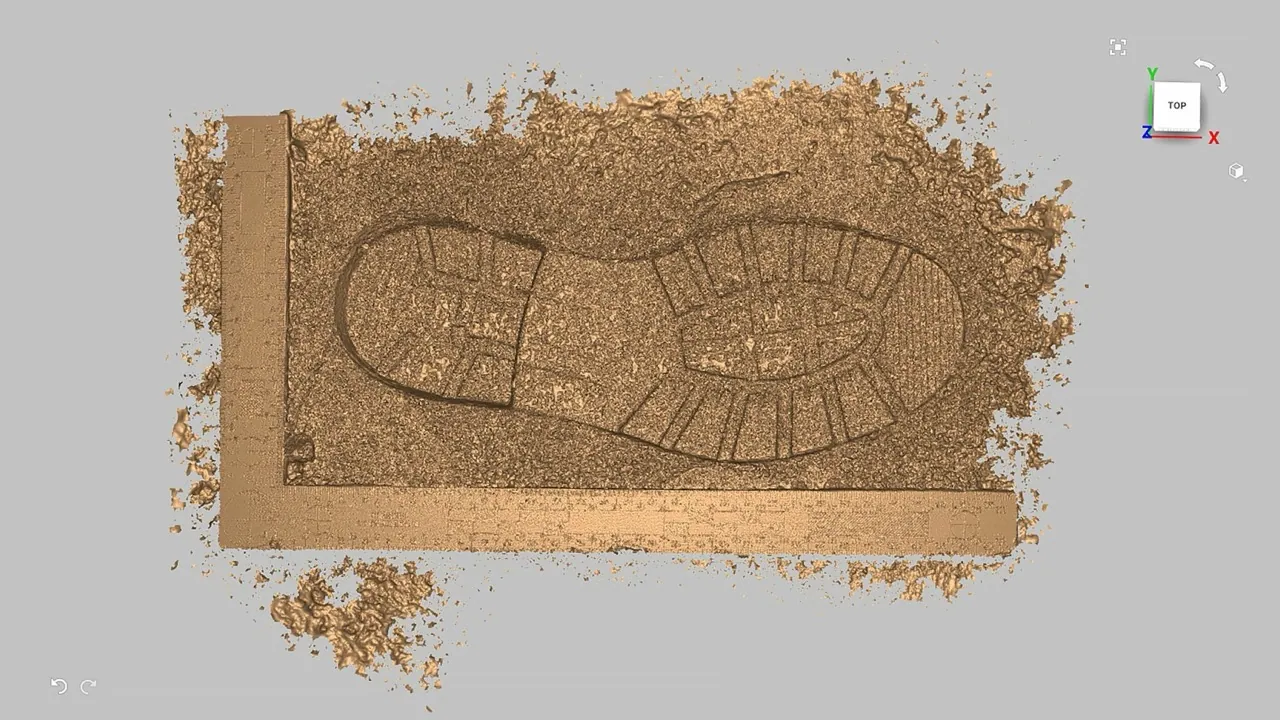
Footwear impressions 3D documentation
Footwear impressions

3D scanning vs. dental stone casting for footwear impression forensics

Challenge
Shoe sole impressions are difficult to capture and change quickly. Traditional dental stone casting is slow and irreversible.
Workflow
3D scan in under one minute with Artec Leo — precise in Artec Studio.
Result
Under-one-minute capture vs. 24+ hours for traditional casting. Reusable, dimensionally accurate model.
Measured impactUnder 1 minute vs. 24+ hours
View documented case
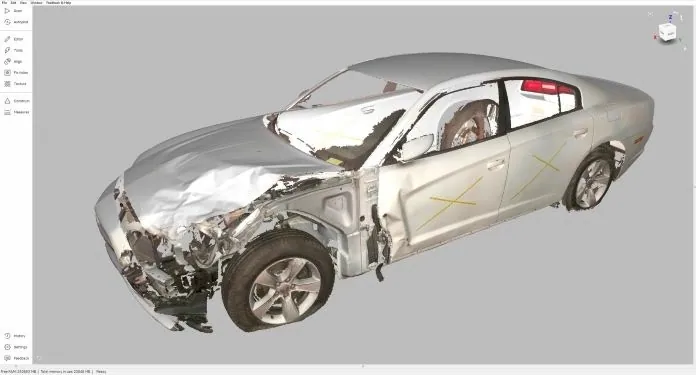
3D scan of a vehicle for accident reconstruction
Accident reconstruction

Vehicle accident reconstruction: scan time from 4 hours to under 1

Challenge
Traditional workflows with terrestrial scanners, control points and cables took 3–4 hours on scene.
Workflow
Cable-free capture with Artec Leo — fast, complete and full-colour.
Result
75% less scan time and faster reporting with a full-colour, measurable model.
Measured impact75% less scan time
View documented case
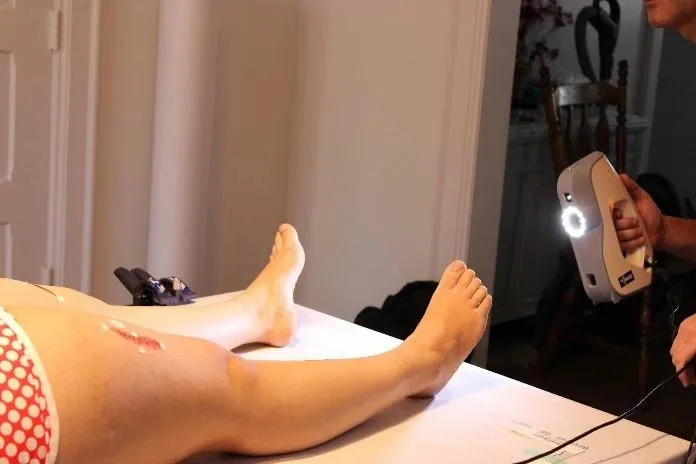
3D scanning study in forensics
Validation study

University of Toronto: 3D scanning tested against forensic photography

Challenge
Controlled study comparing 3D scanning and traditional DSLR photography.
Workflow
Capture of a full-scale mock scene and head-to-toe human scan.
Result
26 minutes for 3D scanning vs. 54 minutes for photography. 3D data is measurable and repeatable.
Measured impact26 min vs. 54 min
View documented case

What forensic experts say

“Artec scanners help us preserve critical details and reduce our time on scene considerably while maintaining the highest standards.”

Dr. Dennis Dirkmaat, Ph.D.Mercyhurst University, Forensic Anthropologist

Read the full case

“Our experience with the Artec scanners has been excellent. The ability to capture an entire scene in 3D, with accurate measurements, casts and transformed data we can document and present in evidence.”

Jarrod Carter, Ph.D.Origin Forensics LLC

Read the full case

Which scanner for which job?

Specifications say what each scanner can do. This is what each one is for.

Artec Leo 3D scanner

Artec Leo

Best for
Working a scene on foot with nothing to carry
Accuracy
Up to 0.1 mm
Portability
Cable-free, battery, onboard screen
Typical uses
Vehicles, bodies, rooms
Artec Eva 3D scanner

Artec Eva

Best for
Dependable colour 3D without a LiDAR setup
Accuracy
Up to 0.1 mm
Portability
Tethered to a laptop
Typical uses
Autopsy documentation, evidence
Artec Spider II 3D scanner

Artec Spider II

Best for
The finest detail a handheld can reach
Accuracy
Up to 0.05 mm
Portability
Tethered to a laptop
Typical uses
Bite marks, tool marks, spatter
Artec Ray II 3D scanner

Artec Ray II

Best for
Whole scenes, indoors or out, day or night
Accuracy
1.9 mm at 10 m
Portability
Wireless, tripod-mounted
Typical uses
Rooms, buildings, road scenes
Artec Metrology Kit

Artec Metrology Kit

Best for
Cases where precision is the whole argument
Accuracy
0.002 mm
Portability
Kit with reference targets
Typical uses
Deformation, testing, inspection

Evaluation, training and deployment

A forensic 3D programme depends on more than the scanner. Validation, operator training, data handling and procurement support decide whether the workflow holds up across real investigations.

Validation & SOP

Most investigators become proficient with basic scanning in a few days of hands-on practice. Our training covers capture technique, field tips and Artec Studio processing, so the workflow you write down is the one your team can repeat.

Training

We provide onboarding, hands-on scanning practice and Artec Studio processing training. Train-the-trainer options help you build internal expertise, so competency stays with your team as cases and people move.

Data & security

We cover handling of raw and processed files, access control and storage. You can work in offline or controlled environments, with retention policies and use backups. We also provide shareable formats for collaboration with prosecutors or experts.

Procurement support

We assist with evaluation planning, matching the right system to your budget, software and release schedules. We help with test criteria, budgetary quotes and supporting documentation for tender approvals or formal tender requirements when needed.

Document the method, preserve the source data, and make every measurement reproducible.

Frequently asked questions

These questions come up in nearly every evaluation conversation.

How long does it take to train an investigator?

Most investigators become proficient with basic scanning in a few days of hands-on practice. The handheld scanners give real-time coverage feedback on screen, so operators can see what they have captured as they work. Forensic anthropology programmes report that students pick up the workflow quickly.

Is the accuracy sufficient for toolmarks, impressions and small evidence?

Yes. Artec Spider II resolves fine detail at 3D accuracy up to 0.05 mm and resolution up to 0.1 mm, which suits tool marks, bite marks and detailed impressions. For the very highest precision the Metrology Kit reaches 0.002 mm. Validation with reference objects confirms accuracy for your own case work.

Can scanners work in poor lighting or outdoor conditions at night?

Yes. The scanners project their own structured or laser light, so they do not depend on ambient lighting. Artec Ray II captures large indoor and outdoor scenes day or night, and the handheld scanners work in low light at the scene. We provide practical capture recommendations for difficult conditions.

How does 3D crime scene scanning hold up in court?

3D data is objective and reproducible, with no operator angle choices to question. Judges have accepted Artec 3D scan models as criminal evidence, and the National Institute of Justice recognises contactless 3D documentation as a key benefit for investigations. Admissibility still depends on the court, so operator qualification, validation and chain of custody all matter.

What file formats do Artec forensic scanners support?

Artec Studio exports the industry-standard formats: OBJ, PLY, STL, WRL, PTX, ASCII, E57 and more. These integrate with the analysis, measurement and reconstruction software forensic laboratories already use, so the data does not become locked to one vendor.

Do you offer a trial or structured evaluation?

Yes. We offer evaluations so you can test the workflow on your own representative samples. You will receive guidance on validation, sample datasets and reporting outputs to help your team make an informed decision.

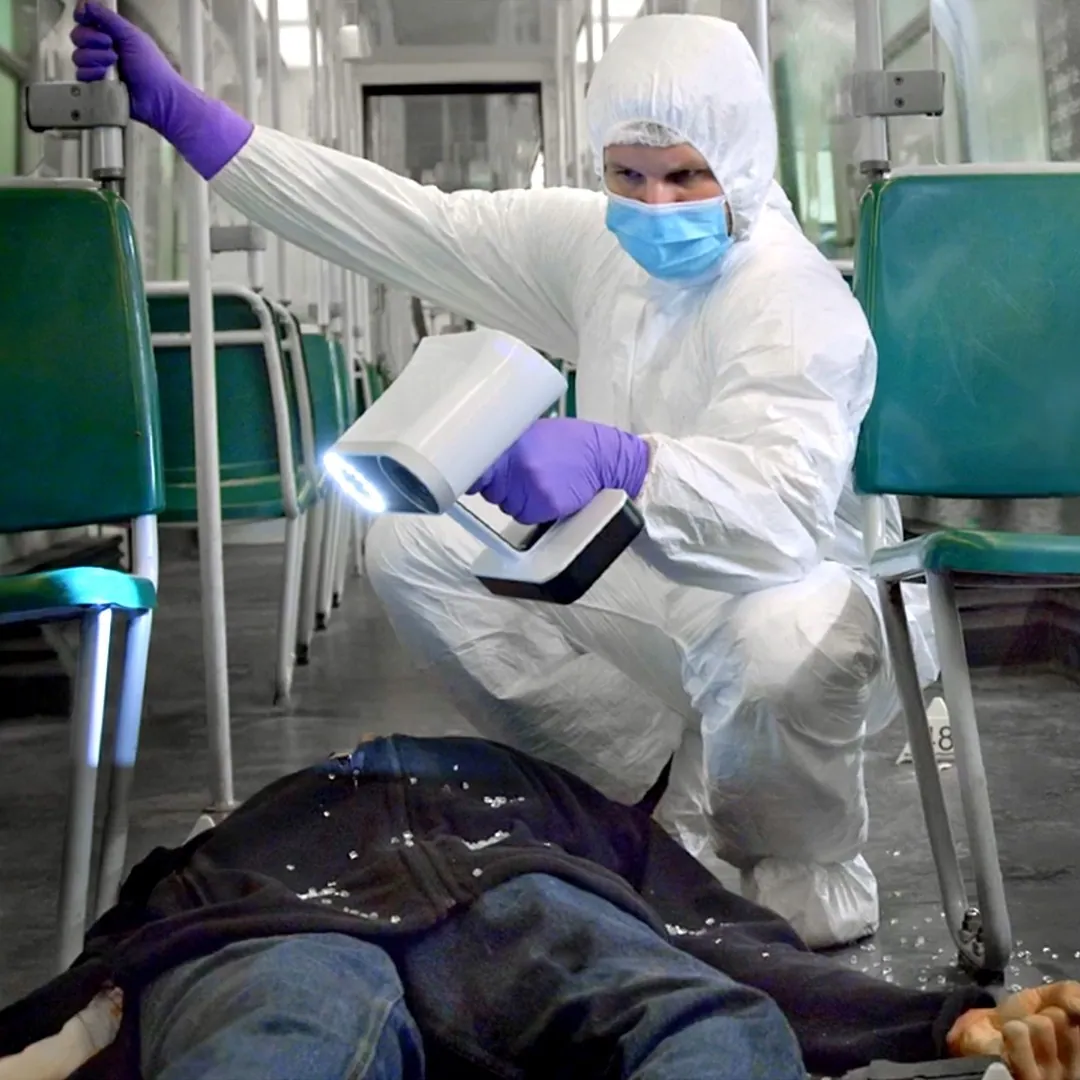
Forensic specialist documenting a mock crime scene with an Artec Leo 3D scanner

Plan a forensic workflow evaluation

Tell us about your needs and we will come back with a forensics application specialist.

Opens our request form with your answers attached. We reply within one working day.